
7 Reasons For Loss of Sex Drive in Men: 9 Things You Can Do To Fix It
Loss of sex drive or low libido is a condition in which you lose interest in sex, you don’t want sex more often, or you don’t have a strong desire for sex. Both men and women experience low libido in their lives and it can happen more than once.
As we age, we tend to lose interest in sex, but younger people also experience low libido. Studies have shown that 1 in 5 men experience low libido. The proportion is higher in women, especially after they reach menopause.
Libido is a critical part of sexuality. If the partners in a relationship have matching libido’s then the relationship will thrive, but if there are significant differences in their libido’s the relationship will suffer.
Most men don’t want to talk about it, but nearly all of them are thinking about it. Since low libido happens gradually in most cases, it sneaks up on you until one day “BAM” it hits you.
The days of high libido seem like a distant but fond memory. But it is not the end of the world. There are natural and pharmaceutical treatments to increase your libido. However, before diving into treating low libido, let us understand what it is and explore its causes.
Understanding Low Libido
The libido is affected by many factors such as brain chemistry, hormones (predominantly testosterone), but also Dopamine, Serotonin and Cortisol, the motivation, mood and stress hormone respectively.
When our biochemical systems work in harmony with each other, our libido is not affected, but if external factors disrupt this balance, our libido will take a hit.
Other factors such as lifestyle, diet, medical conditions also affect your libido. We will discuss them next.
Causes of Low Sex Drive
As discussed above, low sex drive is seldom caused by one factor. It is a combination of physical and psychological.
Low testosterone
Testosterone levels naturally begin to decline after age 30, at the rate of about 1% each year. For some men, this drop is subtle; for others, it’s effect on energy, mood, and sexual interest is very pronounced.
Low testosterone (low T) can cause fatigue, decreased motivation, and slower recovery after exercise—all of which can cause lower libido.
But a blood test can tell you if you have low T. There are three different testosterone levels that you need to measure: Total Testosterone, Bound Testosterone and Free Testosterone.
What matters most is your free testosterone because only free testosterone has biological activity. You can increase your levels naturally by doing weight training, strength training and eating proteins from a good source.
You can also start testosterone replacement therapy. However, please note that this treatment requires a prescription and has side effects.
Mental and Physical Stress
A major libido killer is stress. Stress can be mental or physical.

When you’re under constant pressure—from work, finances, or family responsibilities—your body produces excess cortisol. High cortisol suppresses testosterone, lowers sexual desire and disrupts sleep.
Even if your body is physically capable, your mind might not be in the mood. Libido has a strong mind-body connection. It’s like trying to start a car when the battery’s drained.
But stress can be easily managed by doing yoga, meditation or stretching.
In my job as a research scientist in a pharmaceutical company, I have dealt with a lot of stress, especially since I was working for small virtual companies with only one lead candidate. T
he success or failure of that candidate meant being in business or going out of business. Also there were times when I had personal financial stress.
During Covid, I experienced a lot of depression as well. But I dealt with my stress by doing meditation before going to bed and working out in the morning. I also got professional help.
Sleep Depravation
Studies have shown that men who get fewer than 6 hours of sleep a night can experience significant drops in testosterone and energy levels.
During deep sleep, the hormones released in our body repair tissues, regulate metabolism, and balance the endocrine system. Without proper sleep, libido naturally declines.
Prioritizing 7–8 hours of quality sleep is one of the simplest and most effective ways to restore vitality. Eat dinner at least 2-3 hours before you intend to sleep.
One hour before bedtime, turn off TV, phone and other devices that stimulate your brain. Adjust the temperature in the room. Invest in a good mattress.
Diet and lifestyle
We are so busy nowadays that we tend to eat highly processed foods that contain sugar, white refined flour, trans fats and many harmful things like preservatives and artificial flavors.
Over time they cause fat gain, insulin resistance and inflammation, which adversely affect our libido. With many employees working remote, we have become accustomed to sitting in front of a computer screen for 8 hours or more.
Eating a balanced diet full of natural, minimally processed foods can do wonders for our libido. So can moderate level of exercise. Taking scheduled breaks during the day and getting up from your desk to perform stretches can also help.
In fact improving your diet and lifestyle can not only fix your libido, but other ailments like diabetes and blood pressure as well.
As I got older, I was not in the best of health. My eating habits were not healthy.
But I started exercising regularly. I started doing intermittent fasting by eating only two meals a day.
I did the 16:8 method where I would eat nothing after dinner, fasting for 16 hours and eating in an 8 hour window. I stopped eating breakfast the next day.
That helped me lose weight. It also improved my blood test results.
Relationship or emotional issues
Sometimes, the issue isn’t physical at all. Relationship conflicts, emotional distance, or unresolved tension can reduce sexual desire. The pressure to “perform” can also result in low libido.

When men suppress emotions or disconnect from their partners, their libido often declines as a result. Communication, trust, and connection are crucial for maintaining intimacy.
Seeking professional help should also be considered.
Medications and medical conditions
Prescription medications like antidepressants, blood pressure medications, and antihistamines can cause sexual side effects.
Medical conditions like diabetes, obesity, thyroid problems, and cardiovascular disease can also contribute. In these cases, addressing the underlying condition or adjusting medication (under medical guidance) can help increase your libido.
Again adopting a healthy diet and lifestyle can help. Make sure your diabetes is under control. Reduce your weight and your BMI.
hormones and libido
When it comes to libido in men, testosterone, no doubt, has the most significant effect. But as mentioned earlier, dopamine, serotonin and cortisol also affect your libido.
Low thyroid hormones or elevated estrogen levels can counteract the effects of testosterone. Inflammation, poor gut health, and even micronutrient deficiencies (like zinc or vitamin D) can also interfere with hormonal balance.
Men with low testosterone often notice more than just low sex drive—they might experience brain fog, low motivation, loss of muscle mass, and weight gain around the belly. These are all interconnected signs that your hormonal system is struggling.
The first step toward reclaiming your libido is identifying the root cause. A comprehensive blood test can reveal if low T or another hormonal imbalance is the main issue.
Natural ways to restore your sex drive
Before resorting to medication or therapy, it’s worth exploring lifestyle adjustments that can make a remarkable difference.
These strategies work not just for libido, but for overall health, confidence and your quality of life.
Prioritize sleep
Good deep sleep for 7-8 hours resets your hormones and repairs your body. Stick to a consistent bedtime, avoid screens an hour before bed, eat dinner 2-3 hours before bed and keep your room dark and cool.
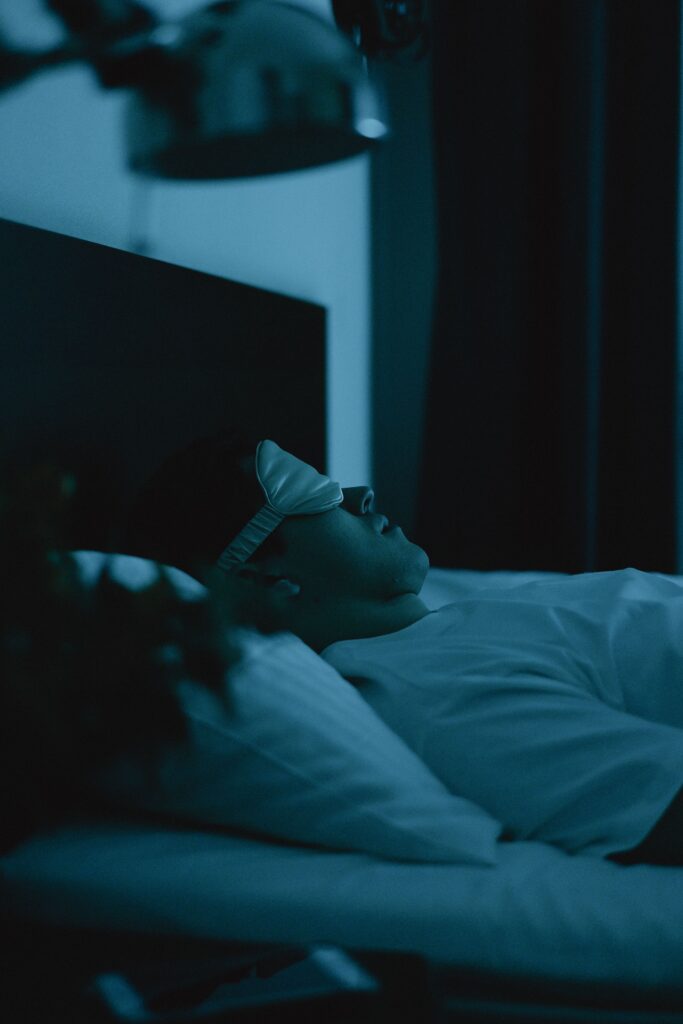
Even small improvements in sleep quality can lead to noticeable changes in energy and mood. Remember sleep quality is better than sleep quantity.
I followed my own advice. I stopped watching TV and scrolling on my phone an hour before my bed time. I would listen to soft music or read a book before bed.
There are also Sleep Apps available that you can use.
eat for hormone health
Focus on whole foods—lean proteins, healthy fats, vegetables, and complex carbs.
Zinc-rich foods like oysters, nuts, and pumpkin seeds support testosterone production.
Healthy fats (olive oil, avocados, eggs) help maintain hormonal balance.
Avoid excessive alcohol and sugar, which can crash your testosterone and energy levels.
exercise regularly
Strength training, interval workouts, and even daily walks can elevate testosterone and dopamine, both of which boost libido. Exercise also relieves stress and improves body image—two subtle but powerful libido enhancers.
As discussed before, I started exercising regularly. I did a mix of cardio and weights. Especially strength training where you use multiple muscle groups in a single exercise, example body weight squats or pushups.
I also did High Intensity Interval Training (HIIT) which are short bursts of activity followed by short rest period. The idea is to keep your heart rate elevated for long duration. These exercises also increase your testosterone naturally.
manage stress proactively
Try mindfulness, deep breathing, yoga, meditation or simple hobbies that quiet the mind. Chronic stress not only drains testosterone and increases cortisol, but also keeps your body in a constant state of alertness, making relaxation and desire harder to access.

Reconnect emotionally
Strong emotional intimacy will lead to strong physical intimacy. Building connection, communication, and trust with your partner can reignite passion naturally.
Sometimes the simplest gestures—listening, laughing, or spending time together—can improve your relationship.
consulting your doctor
If you have tried natural methods and have not seen any improvement, consider talking to your doctor. There is no shame in seeking medical support.
Modern medicine offers several effective solutions for low libido, especially when hormonal issues are involved.
Testosterone replacement therapy (tRT)
TRT can restore testosterone levels to the healthy range and reverse many symptoms—low energy, poor mood, loss of muscle, and reduced sex drive.
However, it should only be used under medical supervision, after thorough testing.
It’s not a “quick fix,” but for men with true low T, it can be life-changing.
addressing thyroid and other hormonal issues
If thyroid or adrenal hormones are off-balance, correcting those can naturally improve libido without testosterone therapy. Hormone health is a system, and one weak link can affect everything else.
counseling or therapy
If stress, anxiety, or depression are contributing factors, working with a therapist can make a tremendous difference. Sexual performance and desire are as much about mental health as physical function.
medication review
At every visit, review your medications with your doctor. If a medication you’re taking could be dampening your libido, talk to your doctor.
Sometimes a simple dosage change or alternative prescription can resolve the issue.
the mind body connection
Sexual energy is one of the most primal indicators of overall vitality. When you feel strong, rested, and confident, your desire naturally follows.
But when your body is tired, inflamed, or stressed, your libido often reflects that internal imbalance.
Think of sex drive as a mirror of your health—not just a measure of desire. When you start optimizing your sleep, nutrition, mindset, and hormones, your libido improves as a byproduct of overall well-being.
final thoughts
Loss of sex drive can feel discouraging, even isolating, but it doesn’t define your masculinity or your worth. It’s your body’s way of signaling that something needs attention. The key is to listen—then act.
Whether you start with small lifestyle and nutritional changes, or professional medical help, every step you take moves you closer to balance, vitality, and confidence.
Communication with your partner and connecting at a deeper level can also help with improving your libido.
It’s never too late to feel like yourself again. The path forward isn’t about perfection—it’s about progress, awareness, and taking ownership of your health. It is a marathon, not a sprint.
You deserve to wake up energized, motivated, and connected—to your body, your mind, and your relationships. And when that happens, your sex drive doesn’t just return—it thrives.
Your breakthrough is closer than you think. One conversation can change the way you see your health, energy, and future. If you’re ready to rise up, book a call and let’s build your momentum.
LEGAL DISCLAIMER: The advice in this article is for information and education purposes only. It is not intended to diagnose, treat, cure or prevent any disease. Please consult a healthcare professional before making any health related decisions. The author is not responsible for the abuse, misuse or disuse of the information provided.