8 Signs of a Midlife Crisis in Men — and What You Can Do About It
Many men over 40 experience midlife challenges — from low energy and irritability to loss of purpose. Sometimes, these changes sneak up on you and you don’t know how to deal with them.
While hormonal issues in women have got a lot of attention, similar issues in men have not. Men also experience hormonal issues as they age. Some men respond while others react.
Every man asks himself this question at some point in his life, “Is this as good as it gets?”
He has built a solid career, the family life is good, from the outside, everything looks fine — yet something feels missing. This moment of reflection, usually between ages 40 and 50, is what many call a midlife crisis.
It is also a period of emotional turmoil which can be brought about by career stagnation, family changes, aging parents. It can result in feelings of regret, anxiety or dissatisfaction.
I experienced this when I was around 45 years old. I had a good job in a multinational pharmaceutical company. The drug I had worked on for 3 years just got approved.
My kids were starting school and all of sudden “Bam!” it hit me. I liked what I was doing but I also felt like maybe I was meant for something better, something different.
I asked my manager if I could participate in the visiting scientist program at work which would give me an opportunity to move to Belgium. But my manager did not approve.
Also, I realized that work politics was now bothering me and I did not have the patience to put up with it. I was tired of dealing with it. Looking back, I realize it must have been my midlife crisis.
I did not do anything crazy. It’s not just about buying a sports car, wearing leather jackets, getting a tattoo and jeans or chasing youth. For most men, it’s a deeper shift — an intersection of identity, purpose, and biology.
Testosterone levels dip, responsibilities pile up, and you are always short on time. Perhaps you are being pulled in many directions.
But the truth of the matter is this: a midlife crisis doesn’t mean you’re falling apart. It means you’re preparing for bigger and better things. Let’s break down the 8 key signs that a man is experiencing a midlife crisis — why they happen and how to handle it from a position of purpose and strength.

Persistent Fatigue and Low Energy
You’re getting enough sleep, but still feel tired. Getting motivated came naturally, but now it takes more effort. Even small tasks feel burdensome..
This isn’t just stress — it’s a sign of imbalance in your body. Around midlife, testosterone levels begin to decline by about 1% per year after age 30.
Lower levels can cause fatigue, slower recovery, and loss of drive. I noticed that I was accumulating fat around my abdomen, it was taking me longer to recover from exercise or strenuous activity.
My desire and libido were low. I mentioned this to my doctor during a routine visit and he asked me to check my testosterone. My testosterone was very low. Some of my other hormones were also off.
Another cause of lack of sleep can be sleep apnea. Sleep apnea is a condition where breathing starts and stops repeatedly. It is a serious condition. Not only it affects your quality of sleep resulting in tiredness and low energy, but it can also cause high blood pressure and heart trouble.
What to do:
- Talk to a doctor or medical professional
- Get your hormones tested, including testosterone and thyroid.
- Focus on sleep quality, not quantity.
- Get treatment for sleep apnea.
- Include resistance training and daily movement.
- Participate in activities that give you joy — not just responsibility.
Fatigue is often less about doing too much and more about doing too little of what energizes you. I also started looking into medical literature to get more information about low testosterone, pharmaceutical and natural solutions to my problem
Loss of Motivation or Sense of Purpose
When you were younger, you were trying to establish yourself in the workplace and in society. But as you get older and you have achieved a lot of things you wanted to, you have nothing to prove.
You’re still productive — but the spark is gone. Work feels mechanical, success feels hollow, and you’re not sure what you’re chasing anymore.
There is a lack of purpose. While my work was very rewarding, I did not think it was my purpose.
That’s a hallmark of midlife crisis: when external achievements no longer align with internal meaning.
What to do:
- Redefine what success means to you at this stage in life.
- Maintain a diary, reflect, or talk with a mentor.
- Explore passions or causes outside work — take up a new hobby.
- Remember, purpose evolves. It’s not lost; it’s just changing shape.
Irritability, Mood Swings and Emotional instability
Do you get angry over small things? Do you find yourself snapping at loved ones or feeling emotionally off balance? Is your patience running low?
Mood changes in midlife aren’t uncommon — and they’re not a sign of weakness. They’re often linked to a decline in testosterone levels which can affect neurotransmitters like dopamine and serotonin.
What to do:
- Express your emotions, but show some restraint
- Use stress management techniques like exercise, yoga, meditation, or deep breathing to regulate stress.
- Seek professional guidance if mood swings persist — it’s a sign of imbalance, not failure.
- Build a routine that includes calm, recovery, and expression.
Emotional awareness is strength — it’s how men build depth, not distance.
The Urge for drastic change
Sometimes you just feel like you have had it with your current life. Suddenly, you want to quit your job, move to another country, buy a sportscar or start something radically different. The familiar feels boring, and freedom feels exciting.
You are looking for the missing spark. It does not mean you want to walk away from everything.
What to do:
- Do not make major decisions in haste.
- Ask: “What am I really craving — excitement, growth, or relief?”
- Start small: travel, learn something new, or take on a physical challenge.
- If change still calls you, plan it intentionally instead of reacting impulsively.
The goal isn’t to burn down your old life — it’s to build a more authentic one.
Changes in Relationship and intimacy
You may feel an emotional distance from your partner, less interested in sex, or crave novelty and passion again. Your life may feel boring, mundane or routine. These are common — and human — feelings during midlife.
Low libido can stem from hormonal changes, stress, or deeper emotional disconnects.
What to do:
- Communicate openly with your partner — beyond surface-level issues.
- Check the levels of your hormones, especially testosterone and cortisol; both impact libido and mood.
- Focus on mental connection, not performance.
- Reignite shared experiences that once bonded you.
- Be spontaneous, plan surprise activities
A midlife shift can break relationships — or deepen them, if you face it together.
obsession with youth or appearance
New wardrobe. Hair restoration. Endless gym selfies. While there’s nothing wrong with wanting to look good, an obsession with youth can signal deeper anxiety about aging and relevance.
Aging brings visible changes — but it also brings wisdom, experience, calmness, and power that no 20-year-old can replicate.

What to do:
- Shift focus from aesthetic youth to functional vitality.
- Train for strength, longevity, and energy — not ego.
- Cultivate presence, curiosity, and leadership — the traits that age well.
You don’t need to chase youth. You need to embody mastery.
risk taking and escapism
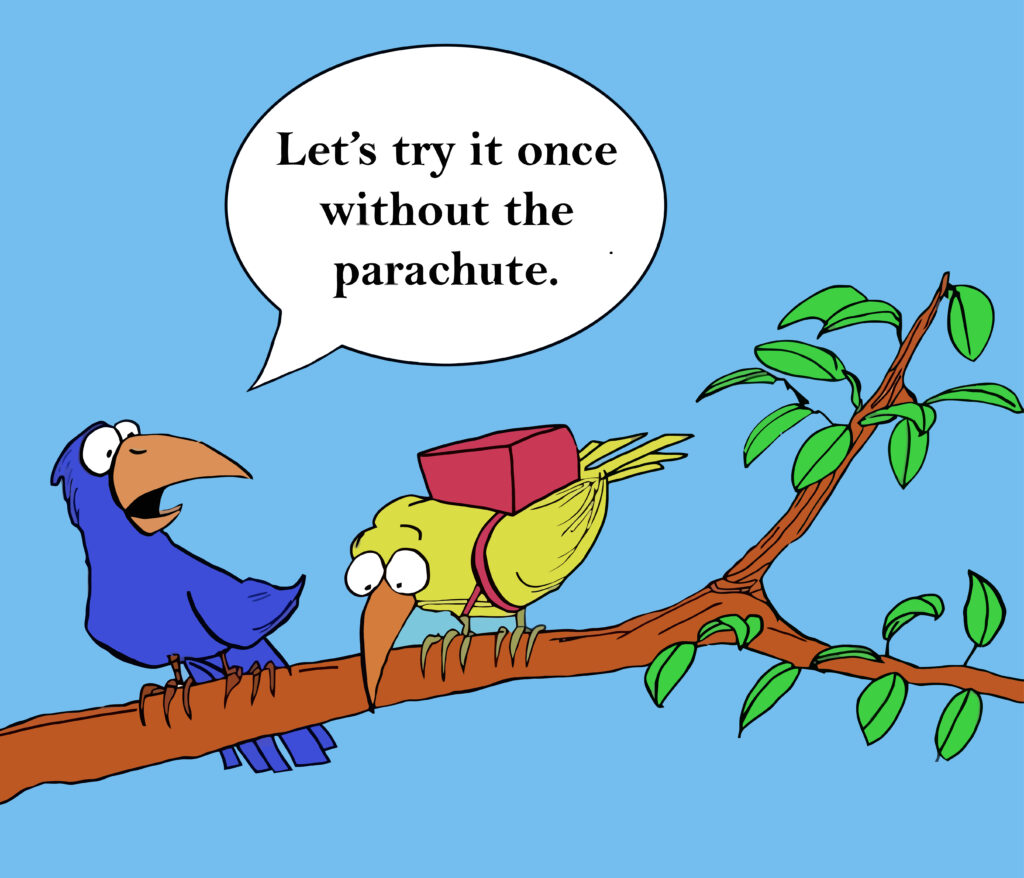
Maybe it’s reckless spending, becoming an adrenaline junkie, or flirtations that threaten stability. For many men, midlife stress turns into escapist behavior — chasing adventure or distraction.
These risks aren’t really about the thrill. They’re about trying to fill a void.
What to do:
- Recognize the pattern — it’s not rebellion, it’s craving attention.
- Redirect that energy into physical, creative, or entrepreneurial challenges.
- Practice restraint, not repression.
The solution isn’t less excitement — it’s better excitement.
Reflection on mortality and legacy
This one sneaks up on most men. A friend gets sick. A parent passes. You look at your kids — or the mirror — and realize time is finite. What will be your legacy?
That awareness can feel heavy, but it’s also the most transformative stage of a man’s life. It’s when priorities shift from achievement to impact.
What to do:
- Define what legacy really means for you — not what culture tells you.
- Mentor someone younger.
- Reconnect with old friends.
- Focus less on “what’s left” and more on what still matters.
Mortality isn’t the enemy; it’s the motivation to live with purpose.
the science behind midlife crisis
Midlife change isn’t just mental — it’s biological.
Testosterone naturally declines about 1% per year after 30. Low levels can lead to:
- Fatigue and reduced motivation
- Mood swings and irritability
- Lower libido
- Loss of muscle and confidence
- Accumulation of abdominal fat
At the same time, chronic stress elevates cortisol, dulling dopamine and drive. Combine that with years of sleep disruption, poor diet, and overwork — and you get the perfect storm of burnout and self-doubt.
It should be noted that low levels of thyroid hormones can mimic the symptoms seen with low testosterone. Insulin resistance is seen with aging. It can lead to weigh gain and increased risk of Type 2 Diabetes.
But it’s reversible. Lifestyle optimization, resistance training, nutrition, stress management, and medical guidance (including hormone therapy if needed) can radically restore vitality.
reframing the “crisis”
The word “crisis” implies something’s breaking. But what if it’s actually awakening? The dark before dawn?
Midlife can be the time when a man stops living for others’ approval and starts living by his own code. When he stops chasing more — and starts pursuing meaning.
Every man faces this crossroads:
- Keep running on autopilot, or
- Take the wheel and drive with purpose.
- Live for others or for yourself
The men who grow through this phase — rather than resist it — often emerge more fulfilled, more confident, and more alive than ever before.
Final thoughts
A midlife crisis isn’t the end of youth — it’s the beginning of a new chapter. Also it is normal and fairly common. It is not medically recognized and it is not a mental health disorder.
It’s the stage where men trade impulse for insight, ambition for alignment, and noise for clarity.
If you’re feeling the signs — fatigue, restlessness, loss of spark — don’t ignore them. They’re not symptoms of failure. They’re signals for transformation.
Communicate with your partner, build a deeper connection.
Seek professional help.
Talk to your friends or communities online.
Check your hormone levels and take necessary steps to optimize them.
Resist the urge to make impulse purchases. Don’t make hasty decisions.
Redefine your priorities and purpose.
Midlife crisis can be fixed. Look at it as an invitation to reset your body, your mindset, and your mission. Midlife isn’t a decline — it’s a redesign.
I’m opening a few limited spots for 1:1 strategy calls this week. If you want personalized guidance and a roadmap tailored to you, now is the perfect moment to take action.
Book your call before the slots fill up
LEGAL DISCLAIMER: The advice in this article is for information and education purposes only. It is not intended to diagnose, treat, cure or prevent any disease. Please consult a healthcare professional before making any health related decisions. The author is not responsible for the abuse, misuse or disuse of the information provided.